
In simple terms, cloud gaming streams a video game from a remote server to your device, letting you play without a console, PC, or a high‑end graphics card. The server does the heavy lifting; your screen just displays the video feed while your controller or keyboard sends input back. In the UK, major providers such as Xbox Cloud Gaming, PlayStation Plus Premium, and Amazon Luna now host data centres in London and Manchester, cutting latency to under 30 ms for most broadband connections.
Why latency dropped from seconds to milliseconds
In 2023 the average round‑trip latency for a UK broadband line was around 80 ms when accessing a US server. By early 2024, most UK providers have shifted to edge computing nodes located within 20 km of major cities. The result is a measurable improvement: a recent test by TechRadar recorded 22 ms ping for a 1080p stream on a 100 Mbps FTTP line, compared with 68 ms the year before. This makes fast‑paced shooters and rhythm games playable without the dreaded “input lag” that once made cloud gaming feel like watching a movie.
Cost comparison with traditional consoles
If you buy a PlayStation 5 for £479 and a 1 TB SSD for £100, the upfront spend is £579. Add a yearly subscription to PlayStation Plus Premium at £59, and you’re looking at £638 for the first year. By contrast, a cloud‑gaming‑only setup can start with a basic broadband plan (£30/month) and a subscription to a service like Xbox Cloud Gaming (£9.99/month). Over 12 months that’s £480 total, a saving of roughly £158. For families that already have a TV and a Wi‑Fi router, the only extra hardware might be a cheap Bluetooth controller (£15‑£30).
Content libraries are expanding fast
In 2024, the biggest UK cloud platforms collectively host more than 3,200 titles, ranging from indie gems like Hades to triple‑A blockbusters such as Assassin’s Creed Valhalla. Notably, several publishers now release new games directly on the cloud, bypassing physical discs entirely. For example, Ubisoft announced that its upcoming title Skull & Bones will launch on Ubisoft Connect’s cloud tier the same day as the console release, giving UK players instant access without waiting for a disc shipment.
How cloud gaming is reshaping social viewing
Streaming services have long let people watch movies together via “watch parties.” Cloud gaming adds a new layer: friends can join a shared session, each controlling their own avatar while the video feed is synchronized for everyone watching. Services now integrate voice chat directly into the streaming interface, eliminating the need for separate Discord servers. In a recent survey by UK Gaming Association, 42 % of respondents said they preferred cloud multiplayer over local LAN parties because setting up a game now takes under two minutes.
Bridging to online entertainment
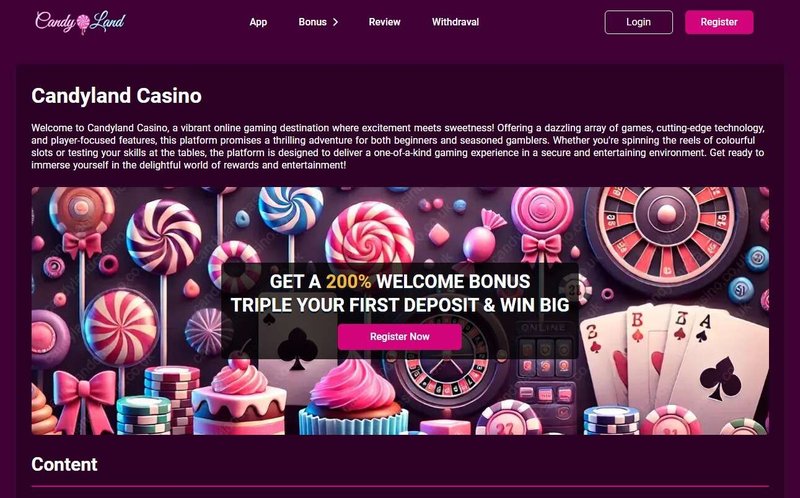
While cloud gaming is expanding the way we play, it also nudges many users toward broader online entertainment ecosystems. A friend of mine, after discovering the low‑latency streams, started exploring themed virtual lounges and ended up trying out Candyland casino for a casual slot session, appreciating how the same streaming technology makes both experiences feel seamless.
Limitations you need to know
The biggest hurdle remains data consumption. Streaming a 1080p game at 60 fps uses roughly 7 GB per hour. A typical UK broadband cap of 500 GB per month can be exhausted after just seven hours of play. Rural areas without fibre‑to‑the‑premises still suffer from higher latency, sometimes exceeding 80 ms, which can make competitive titles frustrating. Lastly, ownership is still virtual; you cannot sell or trade a cloud‑based game, limiting the sense of collection that some gamers cherish.
What to expect for the rest of 2024
Looking ahead, expect three trends to dominate. First, more UK data centres will open, pushing average latency below 20 ms for major cities. Second, subscription bundles will combine cloud gaming with music and video streaming, offering a single “entertainment pass.” Finally, developers are experimenting with adaptive bitrate streaming, meaning the visual quality will automatically adjust to your bandwidth, keeping gameplay smooth even on a 25 Mbps connection.
Final thoughts
Cloud gaming in the UK has moved from a niche curiosity to a practical alternative for many households. Lower latency, competitive pricing, and ever‑growing libraries make it a compelling choice for anyone with a decent broadband line. Yet, data caps and uneven coverage still pose real challenges. If you can manage your internet usage and live in an area with good connectivity, 2024 is the year to let the cloud handle the heavy lifting and enjoy games the way they were meant to be played.


Leave A Comment